
What Is Lumbalgia (Lower Back Pain) and How Therapy Can Help
Lumbalgia, commonly known as lower back pain, is one of the most frequent musculoskeletal issues worldwide. It affects people of all ages and lifestyles, especially those who spend long hours sitting, experience high stress levels, or engage in repetitive physical activity.
Understanding what lumbalgia is and how to address it properly is key to long-term relief.
What Is Lumbalgia?
Lumbalgia refers to pain or discomfort located in the lower part of the spine. It can appear suddenly or develop gradually over time.
Common causes of lower back pain
Poor posture, muscular tension, lack of movement, emotional stress, and physical overload are among the most common triggers. In many cases, the pain is not caused by a single injury but by accumulated tension and imbalance in the body.
Typical symptoms
Lumbalgia may present as stiffness, dull aching pain, reduced mobility, or discomfort that radiates to the hips or legs. When left untreated, these symptoms can become chronic and limit daily activities.
How Therapy Can Help with Lumbalgia
Therapeutic bodywork plays an essential role in addressing lower back pain safely and effectively.
Releasing muscular tension
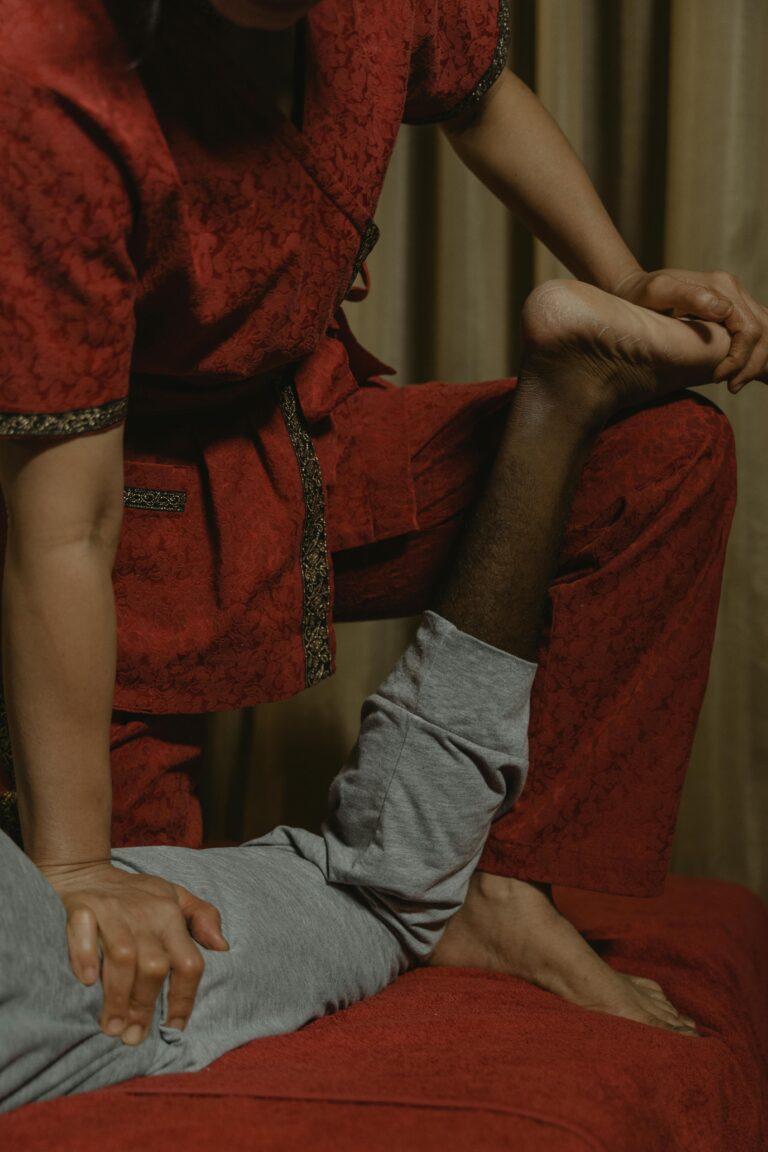
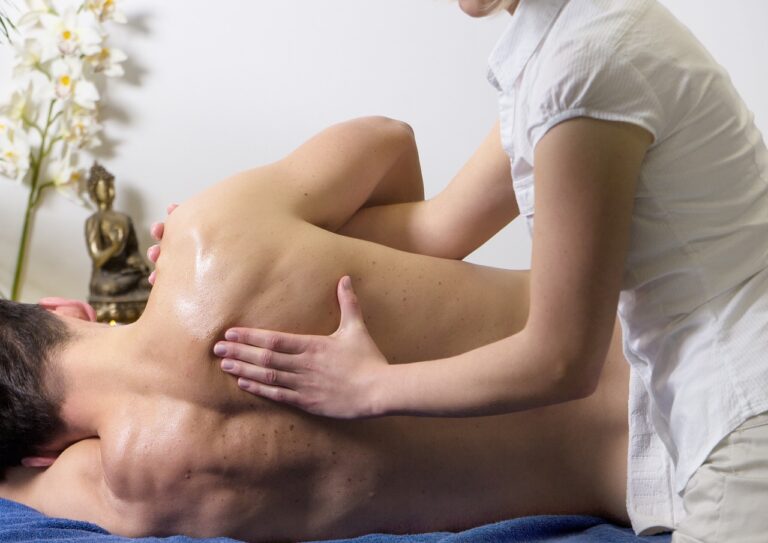
Targeted therapy helps relax deep muscle layers, improve circulation, and reduce pressure on the lumbar area. Techniques inspired by Thai massage and chiropractic bodywork are especially effective for restoring mobility without force.
Improving posture and movement
A skilled therapist does more than treat symptoms. By working with the body as a whole, therapy supports better posture, balance, and body awareness, helping prevent pain from returning.
Why Seeing a Specialist about Lumbalgia Matters
Lower back pain should not be treated with generic solutions. Working with a trained therapy specialist ensures that each session is adapted to your body, your pain level, and your lifestyle.
In a calm, private environment, therapy becomes more than relief — it becomes a personalized process focused on long-term wellbeing rather than temporary comfort.
Lumbalgia is common, but it should not be ignored. With the right therapeutic approach and professional guidance, lower back pain can be managed and significantly reduced. Choosing a specialist who understands the body and works in a focused, private setting allows therapy to be both effective and deeply restorative.