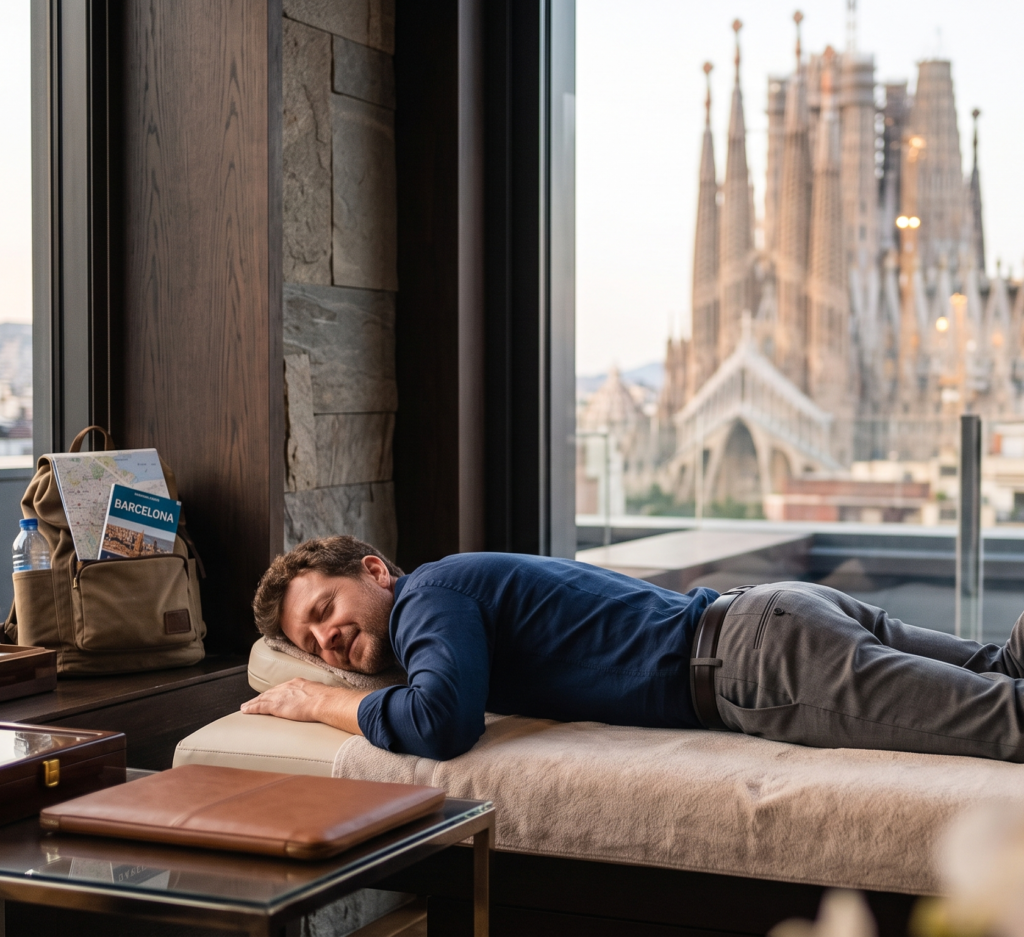
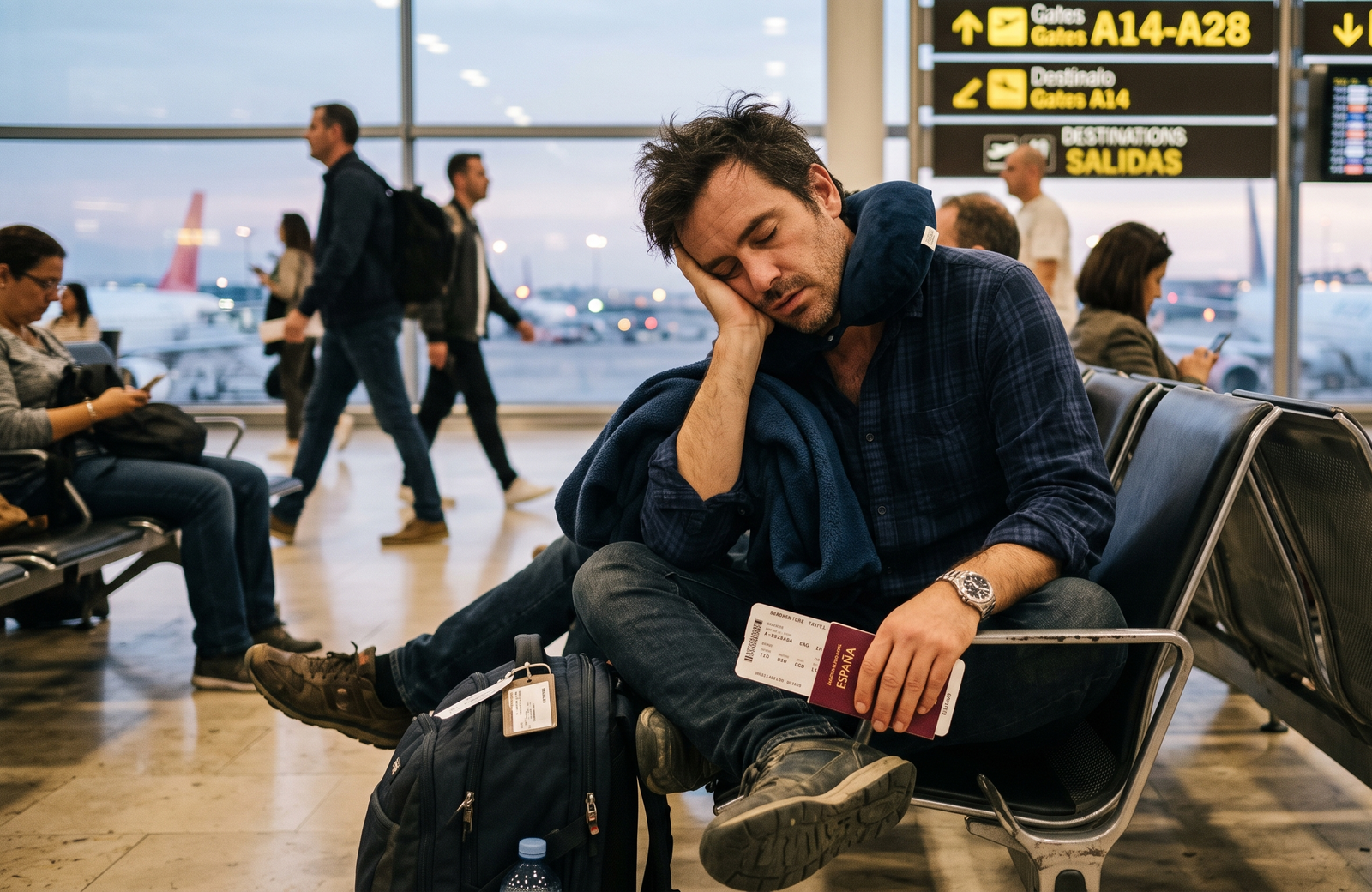
The Science of Travel Fatigue
Why Your Body Feels Different When You Travel
Travelling is exciting.
It introduces us to new cities, new cultures and unforgettable experiences.
Yet many travellers notice something unexpected after arriving at their destination.
Their body doesn’t feel quite the same.
The neck feels stiffer.
The lower back feels tighter.
The legs become heavier.
Even after a good night’s sleep, there may still be a lingering sense of physical fatigue.
This isn’t simply “being tired.”
Travel places unique physical and mental demands on the body that most people rarely think about.
Understanding those demands is the first step towards recovering more effectively and enjoying every journey to its fullest.
In This Guide
- What travel fatigue really is.
- Why your body feels different when you travel.
- The hidden physical demands of travelling.
- How flights, walking and disrupted sleep affect your muscles.
- Why recovery matters just as much as the journey itself.
- Practical ways to help your body recover more comfortably.
Most people expect to feel excited when they arrive somewhere new.
What they don’t expect is to feel physically different.
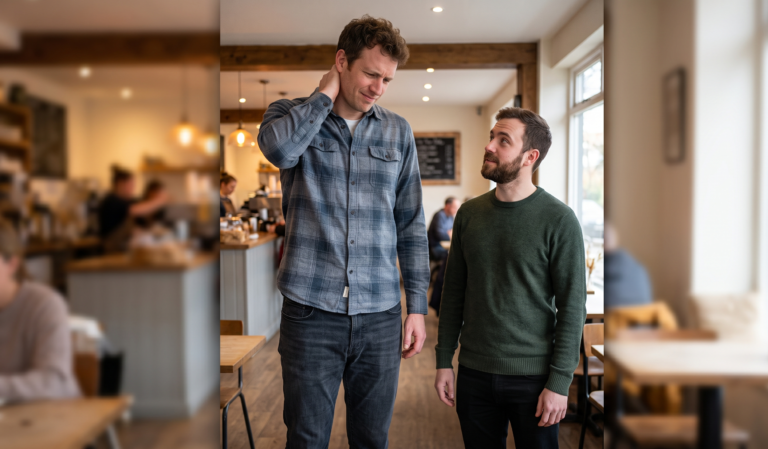
Perhaps your neck feels unusually stiff after a flight.
Your lower back feels tighter than it did at home.
Your legs seem heavier after a day of sightseeing.
Or maybe you simply feel exhausted, even though your holiday has only just begun.
Many travellers assume these changes are simply part of travelling.
To some extent, they’re right.
Travel places your body under a unique combination of physical and mental demands that you rarely experience in everyday life.
Long periods of sitting.
Walking much more than usual.
Carrying luggage.
Sleeping in unfamiliar environments.
Changes in routine.
Different climates.
Jet lag.
Even the excitement of discovering a new destination requires energy.
None of these factors is necessarily harmful on its own.
Together, however, they create what many researchers and health professionals describe as travel fatigue—a combination of physical tiredness, muscular stiffness and reduced mental energy that may develop during or after a journey.
The good news is that travel fatigue isn’t simply something you have to accept.
By understanding why it happens, you can take simple steps to help your body recover more comfortably and make the most of your time away.
Whether you’re visiting Barcelona for business, enjoying a city break or stopping between flights, learning how your body responds to travel can help you feel better throughout your trip.
In this guide, we’ll explore the science behind travel fatigue, why your muscles often feel different after travelling and how thoughtful recovery strategies—including massage—may help you enjoy your journey even more.
Why Does Travel Leave You Feeling So Tired?
Travel fatigue isn’t caused by one single factor.
Instead, it’s the result of several small physical and mental demands happening at the same time.
Each of them may seem insignificant on its own.
Together, however, they create a level of stress that your body doesn’t usually experience during everyday life.
Let’s explore some of the most important reasons.
Long Periods of Sitting
Whether you’re travelling by plane, train or car, long journeys usually involve spending extended periods in the same position.
Our bodies are designed to move regularly.
When movement becomes limited, muscles remain in gentle contraction for much longer than they’re used to.
The hips gradually become tighter.
The lower back receives less movement.
The neck often stays in the same position while looking forward, reading or using a phone.
After several hours, it’s perfectly normal to stand up feeling stiff rather than refreshed.
This doesn’t necessarily mean something is wrong.
It’s simply how the body responds to prolonged inactivity.
You Walk Far More Than You Realise
One of the biggest surprises for many travellers is how much they actually walk.
At home, people often move between familiar places using routines that require relatively little physical effort.
While travelling, everything changes.
Exploring a city means walking through museums, climbing stairs, wandering around historic neighbourhoods and spending hours discovering places on foot.
Many visitors to Barcelona easily exceed 15,000 to 25,000 steps in a single day without even noticing.
For muscles that aren’t used to that level of activity, it’s hardly surprising that the calves, feet and hips begin to feel tired.
It’s one of the reasons so many travellers experience heavy legs after sightseeing.
Carrying Luggage Adds More Strain Than You Think
Suitcases may only feel heavy for a few moments at a time.
But those moments happen repeatedly throughout a journey.
Lifting luggage into overhead compartments.
Pulling suitcases through airports.
Carrying backpacks around the city.
Walking upstairs when lifts aren’t available.
These repetitive efforts place additional demands on the shoulders, arms and lower back.
If one side of the body carries more weight than the other—as often happens with shoulder bags or backpacks—muscles may begin compensating without you even noticing.
By the end of the day, that imbalance can contribute to stiffness and muscular tension.
Travel Challenges Your Brain Too
Travel fatigue isn’t only physical.
Your brain is also working much harder than usual.
Every day you’re making decisions.
Checking directions.
Reading maps.
Navigating public transport.
Listening to unfamiliar languages.
Keeping track of documents.
Planning the next activity.
Even positive experiences require mental energy.
Although we often associate holidays with relaxation, travelling actually demands constant attention and decision-making.
That cognitive effort contributes to the overall feeling of fatigue many people notice after arriving at their destination.
Changes to Your Daily Routine
Our bodies naturally enjoy consistency.
Normal sleep.
Regular meals.
Regular movement.
Travel often changes all of these at once.
Breakfast happens later.
Lunch is skipped.
Dinner is much later than usual.
You may sleep in a different bed every night.
Your activity levels fluctuate from one day to the next.
These seemingly small changes require your body to adapt continuously.
While adaptation is perfectly normal, it still requires energy.
Why Sleep Doesn’t Always Feel Restorative
Many travellers assume they’ll recover after one good night’s sleep.
Sometimes they do.
Sometimes they don’t.
Sleeping in an unfamiliar environment often means the brain remains slightly more alert than usual.
Noise.
Different room temperatures.
New surroundings.
Jet lag.
Excitement about the next day’s plans.
All of these can affect sleep quality, even if you spend enough hours in bed.
As a result, your muscles may not recover quite as effectively as they would during a normal night at home.
Your Body Is Constantly Adapting
One of the remarkable things about the human body is its ability to adapt.
Throughout a journey, it’s constantly making small adjustments.
New time zones.
Different climates.
Unfamiliar walking surfaces.
Higher levels of physical activity.
Changes in posture.
Disrupted daily routines.
None of these adjustments is harmful by itself.
In fact, adaptation is one of the body’s greatest strengths.
The challenge comes when many of these demands occur simultaneously.
That’s when travel fatigue begins to appear—not because your body is failing, but because it’s working hard to help you enjoy the journey.
How to Help Your Body Recover After Travelling
The good news is that travel fatigue is usually temporary.
For most people, the body gradually recovers as it returns to familiar routines.
However, there are several simple strategies that may help you feel more comfortable and recover more efficiently after a journey.
Recovery isn’t about doing one extraordinary thing.
It’s about giving your body the opportunity to adapt.
Keep Moving
After spending hours sitting on a plane, train or in a car, your first instinct may be to lie down.
While rest is important, gentle movement is often one of the best things you can do.
A short walk.
Light stretching.
Climbing a few stairs.
Exploring your new surroundings at a relaxed pace.
These simple activities encourage your joints to move through their normal range of motion and help reduce the feeling of stiffness that often follows long periods of sitting.
Movement doesn’t need to be intense.
In fact, gentle movement is often enough.
Hydration Matters More Than Many People Realise
Travelling—particularly flying—can make it easier to become mildly dehydrated.
Even a small reduction in hydration may contribute to feelings of fatigue and muscle discomfort.
Drinking water regularly throughout your journey and after arriving at your destination is a simple habit that supports your body’s normal recovery processes.
You don’t need complicated recovery drinks.
For most healthy travellers, consistent hydration is one of the most effective places to start.
Prioritise Sleep Whenever Possible
Quality sleep remains one of the body’s most powerful recovery tools.
Unfortunately, it’s often one of the first things disrupted during travel.
If your schedule allows, try to return to a regular sleeping routine as soon as possible.
A comfortable sleeping environment, limiting screen time before bed and giving yourself time to unwind may all support better rest.
If you’ve crossed several time zones, remember that your body may simply need time to adjust.
Recovery isn’t always immediate.
Listen to Your Body Instead of Ignoring It
Many travellers push through discomfort because they don’t want to miss out on their trip.
That’s completely understandable.
After all, holidays are short and every day feels valuable.
However, persistent stiffness, heavy legs or muscular tension are often your body’s way of asking for a little attention.
Taking short breaks.
Sitting down for a few minutes.
Stretching.
Slowing your pace when needed.
These small decisions may actually help you enjoy the rest of your trip much more comfortably.
Can Massage Help With Travel Fatigue?
Massage isn’t a cure for travel fatigue.
Nor can it eliminate every effect of a long journey.
However, many travellers find that massage helps them feel more relaxed, reduces muscular tension and supports their overall sense of recovery after travelling.
After several days of walking, carrying luggage or spending hours in transport, it’s common for certain muscles to remain tense even when the journey itself has finished. Many travelers often look for a massage near me as their first option to dedicate a moment to themselves.
A personalised massage can focus on those areas of accumulated tension, helping the body relax before you continue exploring or return home.
For some people, that means easing tight shoulders after a flight.
For others, it’s reducing stiffness in the lower back or helping tired legs feel lighter after days of sightseeing.
Every traveller is different, which is why recovery should always be adapted to the individual rather than following the same routine for everyone.
Recovery Is Part of the Journey
Many people think of recovery as something that happens after returning home.
In reality, recovery can be part of the journey itself.
Giving yourself permission to slow down for an hour.
Taking time to stretch.
Choosing a quieter afternoon after several busy sightseeing days.
Scheduling moments that allow your body to recharge.
These small decisions don’t take away from your trip.
They often make the rest of it even more enjoyable.
Looking after yourself while travelling isn’t about doing less.
It’s about making sure you have the energy to enjoy everything you’ve travelled so far to experience.
A Better Journey Starts With a Better Recovery
The places you visit will become lasting memories.
Your body is what allows you to experience them.
Looking after it isn’t an interruption to your holiday or business trip.
It’s part of travelling well.
Whether you’re exploring Barcelona for the first time, attending meetings, stopping during a layover or preparing for your next flight, supporting your recovery may help you feel more comfortable throughout your journey.
Sometimes, the best souvenir you can take home isn’t just the photos.
It’s arriving back feeling as good as the day your trip began.
Travel Better. Recover Better.
Travelling should leave you with unforgettable memories—not unnecessary muscle tension or physical exhaustion.
While some tiredness is a natural part of exploring new places, understanding why it happens allows you to recover more effectively and enjoy every journey with greater comfort.
Whether you’re visiting Barcelona for business, sightseeing, a cruise stop, a layover or a longer holiday, giving your body time to recover is just as important as planning the trip itself.
If you’re looking for a personalised Therapeutic Massage in Barcelona, I’d be delighted to welcome you to my private massage studio in Eixample.
Every session is tailored to your individual needs, whether you’re experiencing neck stiffness after a long flight, heavy legs after exploring the city or lower back discomfort from hours of travelling.
My goal is simple:
To help you feel refreshed, move more comfortably and make the most of your time in Barcelona.
Frequently Asked Questions
What is travel fatigue?
Travel fatigue is the physical and mental tiredness that may develop during or after a journey.
It often results from a combination of prolonged sitting, increased physical activity, disrupted sleep, carrying luggage, changes in routine and the mental effort involved in travelling.
Why do my muscles feel sore after travelling?
Long periods of sitting, walking more than usual and repetitive movements throughout a trip can leave muscles feeling stiff or tired.
For most people, this is a normal response to the physical demands of travel.
Can massage help with travel fatigue?
Massage may help reduce muscular tension, encourage relaxation and support recovery after travelling.
While it isn’t a treatment for every medical condition, many travellers find it beneficial after long flights, busy sightseeing days or extended business trips.
Where is your massage studio located?
My private massage studio is located in Eixample, Barcelona, a central neighbourhood that’s easy to reach from many hotels, public transport connections and some of the city’s most popular attractions.
It’s a peaceful space designed to help travellers recover comfortably before continuing their journey.
Is Eixample a convenient location for visitors?
Yes.
Eixample is one of Barcelona’s best-connected neighbourhoods, making it easy to reach whether you’re staying in the city centre, arriving from the airport or visiting nearby attractions such as Passeig de Gràcia or the Sagrada Família.
Which massage is best after travelling?
That depends on how your body feels.
Some travellers benefit from a personalised Therapeutic Massage, while others prefer a Relaxing Massage or a Deep Tissue Massage for more persistent muscular tightness.
Every treatment is adapted to your individual needs.
Continue Your Recovery Journey
If you’d like to learn more about how travel affects the body, you may also enjoy these guides:
- Best Massage During a Layover in Barcelona
- Does Massage Really Help Back Pain?
- Why Your Lower Back Hurts After Flying to Barcelona (And How Massage Can Help)
- Best Massage in Barcelona: How to Choose it
- Massage in Barcelona for Business Travelers: The Private Recovery You Need
The Science of Travel Fatigue

Why Yacht Crew Often Experience Back Pain & Muscle Fatigue
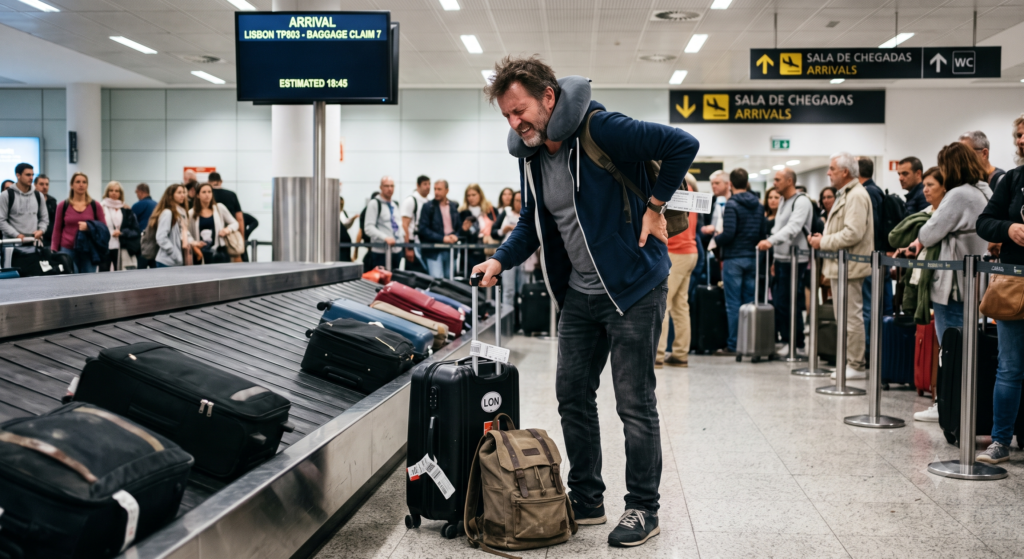
Why Your Lower Back Hurts After Flying to Barcelona (And How Massage Can Help)
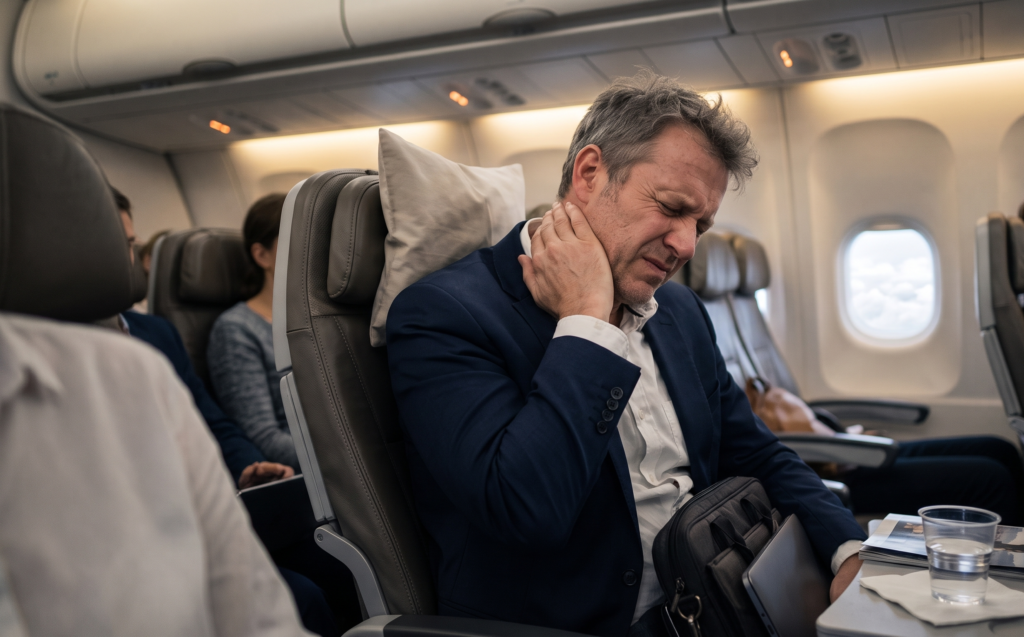
Why Your Neck Hurts After a Long Flight to Barcelona (And How Massage Can Help)
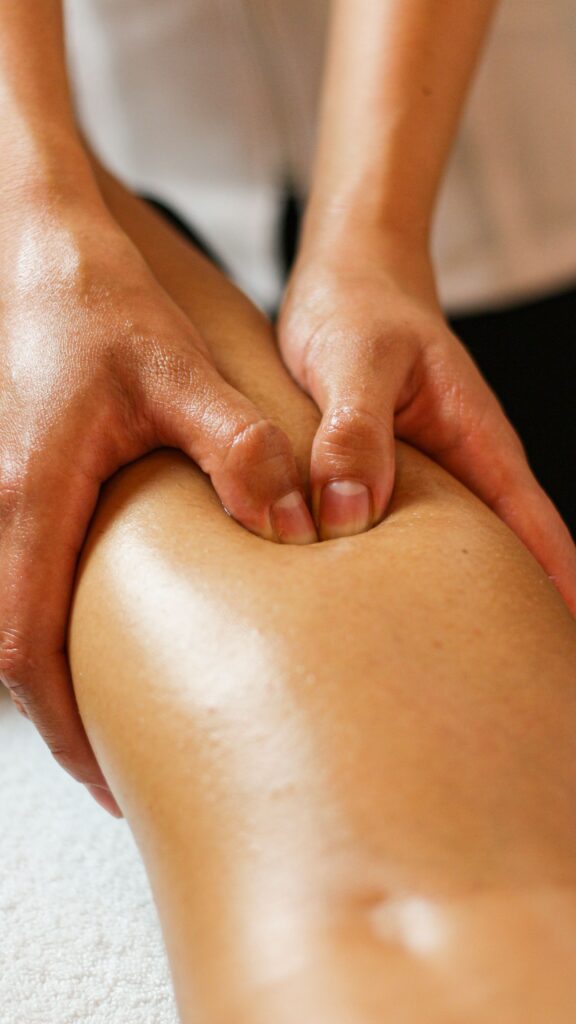
Why Do you Have Heavy Legs After Walking and Exploring Barcelona? (And How Massage Can Help)