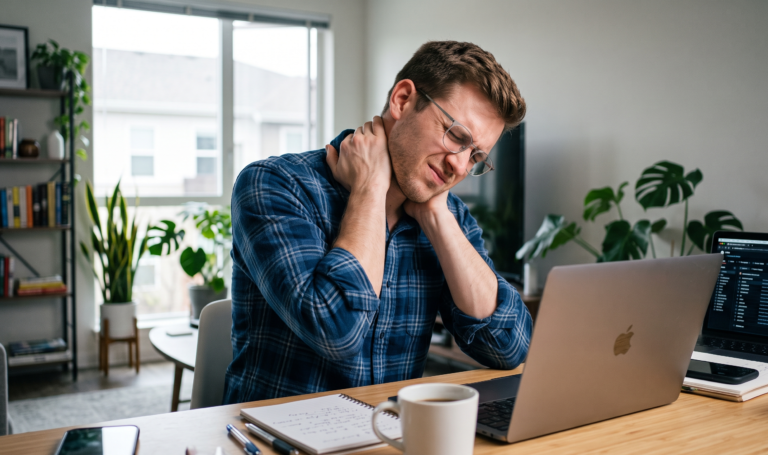
Can Massage Help Sciatica?
What the Evidence Says
Sciatica is one of the most common—and most misunderstood—causes of lower back and leg pain.
Many people use the word sciatica to describe almost any discomfort travelling down the leg.
In reality, not every pain in the leg is true sciatica.
Understanding the difference is essential because the most appropriate treatment depends on what is actually causing your symptoms.
Massage may be helpful for some people, particularly when muscular tension contributes to discomfort, but it isn’t the right solution for every situation.
In this guide, I’ll explain what sciatica really is, when massage may play a helpful role and when it’s important to seek further medical assessment.
In This Guide
- What sciatica actually is.
- Why sciatica is often misunderstood.
- Can massage help relieve symptoms?
- When massage may not be appropriate.
- The relationship between muscles and sciatic pain.
- When to seek medical advice.
- Frequently asked questions.
Few conditions create as much confusion as sciatica.
Some people use the term to describe any pain that starts in the lower back.
Others assume that every ache travelling into the leg must involve the sciatic nerve.
The reality is rather different.
Sciatica isn’t a diagnosis in itself.
It’s a description of symptoms caused by irritation or compression affecting the sciatic nerve, the largest nerve in the human body.
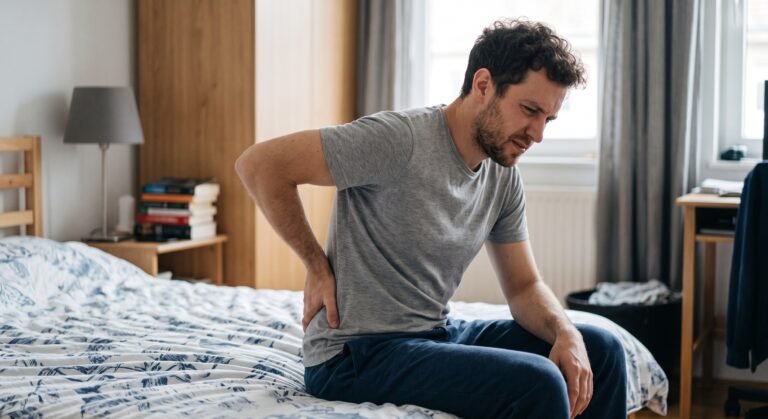
Depending on the underlying cause, symptoms may include pain, tingling, numbness or weakness travelling from the lower back into the buttock and down one leg.
However, not every pain following a similar pattern is true sciatica.
Muscular tension.
Joint stiffness.
Referred pain from surrounding tissues.
Even conditions such as piriformis syndrome can sometimes produce symptoms that feel surprisingly similar.
This is one reason why self-diagnosis can be difficult.
Two people may describe almost identical symptoms while experiencing completely different underlying problems.
Naturally, this raises another question.
Can massage actually help?
The honest answer is:
Sometimes—but not always.
Massage isn’t a cure for sciatica.
It cannot remove pressure from a severely compressed nerve or replace appropriate medical assessment when significant neurological symptoms are present.
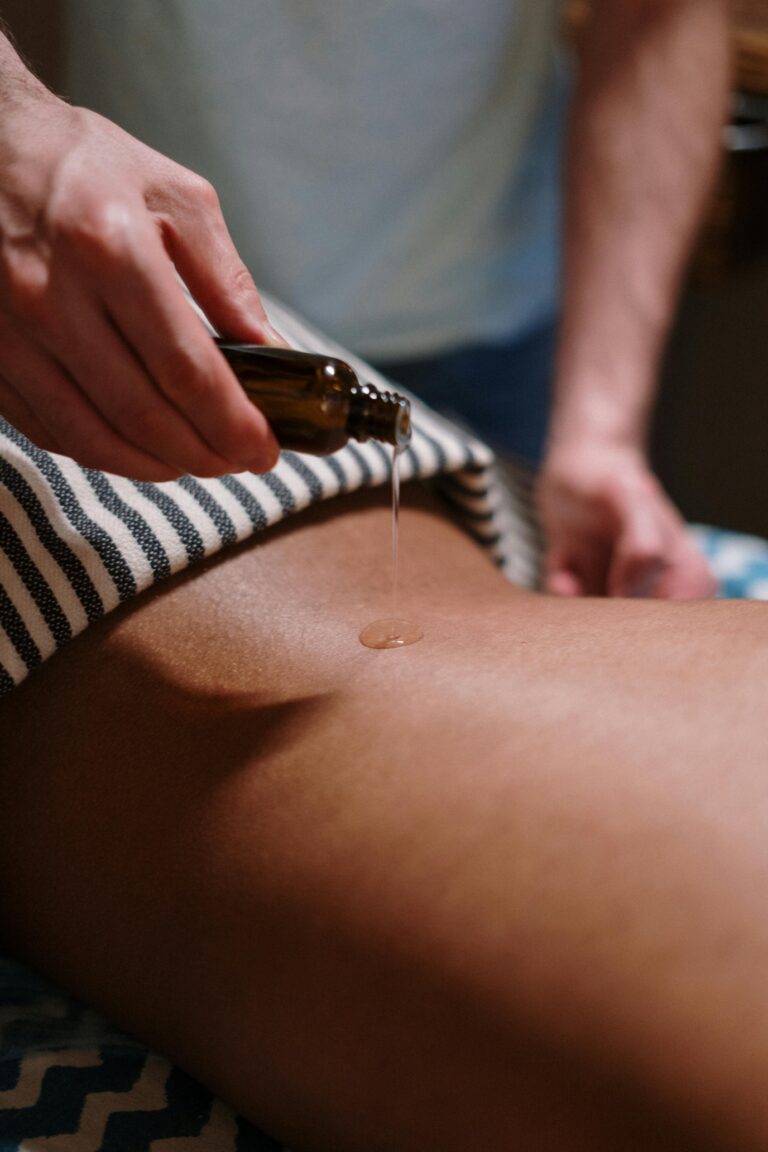
However, massage may help relieve muscular tension, improve comfort and support movement in certain situations, particularly when tight surrounding muscles are contributing to how the body feels.
Understanding that distinction is important.
The goal of massage isn’t to “fix the nerve.”
The goal is to help address the muscular factors that may be increasing discomfort while supporting your body’s overall recovery.
As someone who studied physiotherapy before specialising in massage therapy, I believe the most helpful approach is always an honest one.
Rather than asking whether massage works for everyone, it’s more useful to ask:
“Could massage be appropriate for my specific situation?”
That’s exactly what we’ll explore throughout this guide.
I’ll explain what current evidence tells us, when massage may be beneficial, when it probably isn’t the right choice and how I approach clients experiencing symptoms that may be related to sciatica.
What Exactly Is Sciatica?
Before asking whether massage can help, it’s important to understand what sciatica actually is.
Despite what many people believe, sciatica isn’t a condition itself.
It’s a term used to describe symptoms that occur when the sciatic nerve becomes irritated or compressed somewhere along its pathway.
The sciatic nerve begins in the lower part of the spine, passes through the buttock and continues down the back of each leg, making it the longest and largest nerve in the body.
When this nerve becomes irritated, the symptoms can extend far beyond the lower back.
People may experience:
- Pain radiating into one leg.
- Tingling or pins and needles.
- Numbness.
- Burning sensations.
- Muscle weakness.
- Pain that increases when sitting for long periods.
Some people describe a sharp, electric sensation.
Others experience a constant dull ache.
No two cases are exactly the same because the underlying cause can vary considerably.
Why Does Sciatica Happen?
There isn’t a single cause of sciatica.
Instead, several different conditions may irritate or place pressure on the sciatic nerve.
Some of the most common include:
Lumbar Disc Herniation
Sometimes a spinal disc can bulge or herniate, placing pressure on a nearby nerve root.
This is one of the better-known causes of true sciatica.
Degenerative Changes in the Spine
As we age, natural changes within the spine can sometimes reduce the space available for nerves.
For some people, these changes contribute to sciatic symptoms, particularly during walking or prolonged standing.
Spinal Stenosis
Narrowing of the spaces within the spine may occasionally affect the nerves travelling through the lower back.
Symptoms often develop gradually rather than appearing suddenly.
Piriformis Syndrome
Although still debated within medical research, some people experience symptoms thought to be related to the piriformis muscle, located deep within the buttock.
When this muscle becomes particularly tight or irritated, it may contribute to pain that resembles sciatica.
This is one situation where massage may sometimes play a more direct role in relieving muscular tension.
Not Every Pain Down the Leg Is Sciatica
This is probably the most important message in the entire article.
Many people believe:
Pain in the leg = Sciatica
Unfortunately, it isn’t that simple.
Pain travelling into the leg can also arise from:
- Tight muscles.
- Trigger points.
- Hip problems.
- Sacroiliac joint dysfunction.
- Lumbar muscle strain.
- Referred pain from surrounding tissues.
Some of these conditions respond very well to massage.
Others require a completely different approach.
This is why understanding the source of the symptoms is far more important than simply attaching a label to them.
So… Can Massage Help?
The honest answer is:
Yes—in some situations.
No—in others.
Massage doesn’t change the structure of a herniated disc.
It doesn’t remove bone pressing on a nerve.
And it doesn’t replace an appropriate medical assessment when significant neurological symptoms are present.
However…
Massage may help relieve some of the muscular tension that often develops around the painful area.
When people experience lower back pain or sciatic symptoms, the body naturally tries to protect itself.
Muscles surrounding the lower back, hips and buttocks often tighten as part of this protective response.
Over time, that muscular tension may contribute to reduced mobility and additional discomfort.
Helping those muscles relax can sometimes make movement feel easier and reduce the overall sensation of stiffness.
In other words…
Massage may not change the original cause of the symptoms.
But it may help improve how your body copes with them.
What Does Current Research Suggest?
Research into massage therapy and sciatica continues to evolve.
Current evidence suggests that massage may provide short-term improvements in pain and function for some people with lower back-related conditions, particularly when combined with other approaches such as exercise and education.
However, researchers also agree on an important point:
Massage shouldn’t be viewed as a standalone cure.
Instead, it often works best as part of a broader management plan that may include:
- Staying physically active.
- Appropriate exercise.
- Good movement habits.
- Education about pain.
- Lifestyle modifications.
- Medical assessment when necessary.
This balanced approach reflects what I also see in clinical practice.
The clients who tend to experience the best outcomes are usually those who combine massage with healthy movement and long-term self-care rather than relying on a single treatment alone.
Why I Always Assess the Whole Picture
One of the reasons I never assume every case is the same is because symptoms rarely tell the entire story.
Two people may both say:
“I have sciatica.”
Yet one may have muscular tension contributing to their discomfort.
The other may have symptoms that require medical investigation before massage is appropriate.
That’s why I always begin by listening.
I want to understand:
- Where your symptoms started.
- How they have changed over time.
- What movements make them better or worse.
- Whether you’re experiencing numbness or weakness.
- How your symptoms affect your everyday life.
Only after understanding that bigger picture can I decide whether massage is likely to be appropriate—or whether I’d recommend seeking further medical assessment first.
When Can Massage Be Helpful for Sciatica?
Although massage isn’t a cure for sciatica, there are many situations where it may play a valuable role as part of a broader recovery plan.
The key is understanding what massage is trying to achieve.
The purpose isn’t to “push the nerve back into place.”
It isn’t to “realign the spine.”
And it certainly isn’t to promise that every symptom will disappear after one treatment.
Instead, massage aims to reduce unnecessary muscular tension, improve comfort, encourage movement and help your body function as naturally as possible.
When those factors are contributing to your symptoms, massage may become a helpful part of your recovery.
When Muscles Become Overprotective
One of the body’s most remarkable abilities is its instinct to protect itself.
When pain develops, the muscles surrounding the affected area often tighten automatically.
This protective response is completely normal.
In the short term, it can help stabilise the area.
However, if those muscles remain tense for days or weeks, they may begin creating additional discomfort of their own.
It’s not unusual for someone with lower back pain to also develop:
- Tight gluteal muscles.
- Stiff hips.
- Reduced spinal mobility.
- Increased tension through the lower back.
- Restricted movement when walking or bending.
In these situations, carefully applied massage may help those muscles relax, making everyday movement feel more comfortable.
While the massage doesn’t directly change the condition affecting the sciatic nerve, reducing surrounding muscular tension can sometimes improve how your body feels overall.
When Piriformis Muscle Tension May Be Contributing
The piriformis is a small muscle located deep within the buttock.
Although research continues to explore its exact role, some people develop symptoms that appear to be related to irritation around this area.
When the piriformis becomes particularly tight, it may contribute to discomfort that closely resembles sciatica.
If muscular tension in this region is part of the problem, massage may help reduce tightness and improve comfort.
However, because several different conditions can produce similar symptoms, it’s important not to assume that every pain in the buttock or leg is caused by the piriformis muscle.
A proper assessment always comes first.
When Everyday Movement Feels Difficult
One of the first things many people notice isn’t severe pain.
It’s that simple activities become uncomfortable.
Standing up from a chair.
Walking for long periods.
Turning over in bed.
Putting on shoes.
Picking something up from the floor.
When muscular tension begins limiting normal movement, massage may help improve comfort by reducing stiffness in the surrounding soft tissues.
Many clients tell me that after their session they don’t necessarily feel “fixed.”
Instead, they notice that everyday movements feel smoother and require less effort.
From my perspective, that’s a meaningful improvement.
When Massage May Not Be the Right Choice
Just as important as knowing when massage may help is recognising when it may not be appropriate.
This is one of the reasons I always encourage people not to self-diagnose.
If your symptoms involve significant nerve compression or another medical condition requiring urgent treatment, massage should never replace appropriate medical care.
In some situations, delaying medical assessment while hoping massage alone will solve the problem may actually postpone the treatment you really need.
As a massage therapist, my role isn’t to diagnose complex neurological conditions.
My responsibility is to recognise when massage is appropriate—and when it isn’t.
Red Flags: When You Should Seek Medical Attention
Although most episodes of lower back pain improve over time, certain symptoms should always be assessed promptly by a medical professional.
Seek medical advice without delay if you experience:
- Progressive weakness in one or both legs.
- Loss of bladder or bowel control.
- Numbness in the area around the groin or buttocks.
- Severe pain following significant trauma.
- Fever, unexplained weight loss or symptoms suggesting infection.
- Pain that continues to worsen despite appropriate care.
Fortunately, these situations are uncommon.
However, recognising them is extremely important.
When they occur, medical assessment should always take priority over massage treatment.
My Approach to Clients with Sciatic Symptoms
When someone contacts me saying,
“I think I have sciatica,”
I don’t automatically assume that’s the correct explanation.
Instead, I begin by asking questions.
Where exactly do you feel the pain?
When did it start?
Does it travel below the knee?
Do you notice numbness or tingling?
What activities make it better—or worse?
Sometimes those answers suggest that massage may be an appropriate option.
Sometimes they suggest that further medical assessment would be the safest next step.
If massage is suitable, the treatment is always adapted to your symptoms on that particular day.
Rather than focusing only on the painful area, I consider how your hips, gluteal muscles, lower back and surrounding tissues are working together.
The aim isn’t simply to work where it hurts.
It’s to help your body move with greater comfort and less unnecessary tension.
Recovery Is Rarely About One Treatment
One of the biggest misconceptions about sciatica is the idea that there’s a single treatment that solves everything.
Real recovery is usually more gradual.
It often involves a combination of approaches that work together.
Depending on the individual, this may include:
- Staying active within comfortable limits.
- Appropriate exercises.
- Good sleep.
- Healthy movement habits.
- Medical advice when needed.
- Managing stress.
- Massage as part of a personalised recovery plan.
Rather than searching for one “magic solution,” I encourage people to think about building a strategy that supports their body over time.
In my experience, that approach usually leads to the most meaningful and lasting improvements.
Can Massage Be Part of Your Recovery?
If you’ve been living with symptoms that may be related to sciatica, it’s completely understandable to look for ways to feel more comfortable.
Pain affecting the lower back and leg can interfere with work, travel, exercise and even simple everyday activities.
The important thing to remember is that recovery isn’t usually about finding one perfect treatment.
It’s about understanding what’s contributing to your symptoms and choosing the most appropriate approach for your individual situation.
For some people, massage may become an important part of that journey.
For others, different treatments may take priority first.
That’s why I believe every recommendation should begin with listening—not assumptions.
If massage is appropriate for your symptoms, my goal is never simply to reduce tension for an hour.
My goal is to help you move more comfortably, feel more confident in your body and support your recovery in a safe, personalised way.
Not Sure Whether Massage Is Right for You?
You don’t need to make that decision on your own.
If you’re experiencing lower back pain, pain travelling into your leg or symptoms that you think may be related to sciatica, feel free to send me a WhatsApp message before booking.
I’ll be happy to answer your questions and let you know whether massage is likely to be appropriate—or whether I’d recommend seeking medical assessment first.
If massage is suitable, every session is adapted to how your body feels on that particular day.
Whether you’re looking for a Therapeutic Massage Barcelona, a Massage for Back Pain & Sciatica Barcelona, or a private massage in Eixample, my approach is always the same:
Listen first.
Treat second.
Because every body tells a different story.
Frequently Asked Questions
Can massage cure sciatica?
No.
Massage isn’t considered a cure for sciatica.
However, it may help relieve muscular tension, improve comfort and support recovery for some people, depending on the underlying cause of their symptoms.
Can massage make sciatica worse?
In some situations, an inappropriate technique or treating someone whose symptoms require urgent medical assessment may increase discomfort.
That’s why understanding the cause of your symptoms before treatment is so important.
Massage should always be adapted to the individual.
Should I massage the sciatic nerve?
No.
The objective of massage isn’t to apply pressure directly to the sciatic nerve.
Instead, treatment focuses on the surrounding muscles and soft tissues that may be contributing to tension and restricted movement.
Is walking good for sciatica?
For many people, gentle walking is encouraged as part of staying active.
However, the most appropriate level of activity depends on your individual symptoms and should always remain within comfortable limits.
Is Deep Tissue Massage good for sciatica?
It depends.
If muscular tension is contributing to your symptoms, a carefully adapted Deep Tissue Massage Barcelona may sometimes be appropriate.
However, it isn’t suitable for every case, particularly when symptoms suggest significant nerve involvement.
How do I know if massage is appropriate for me?
The best place to start is understanding your symptoms.
If you’re unsure, I recommend discussing them with a qualified healthcare professional or contacting me before booking.
I’ll always give you honest guidance based on what you tell me.
Continue Reading
If you’d like to learn more about massage, pain management and recovery, you may also enjoy:
- The Benefits of Chiropractic Massage for Back Pain
- Deep Tissue vs Therapeutic Massage: Which One Is Right for You?
- How Often Should You Get a Massage?
- Is It Normal to Feel Sore After a Massage?
- Why Your Lower Back Hurts After Flying to Barcelona
These guides are designed to help you better understand your body and make informed decisions about your health and wellbeing.
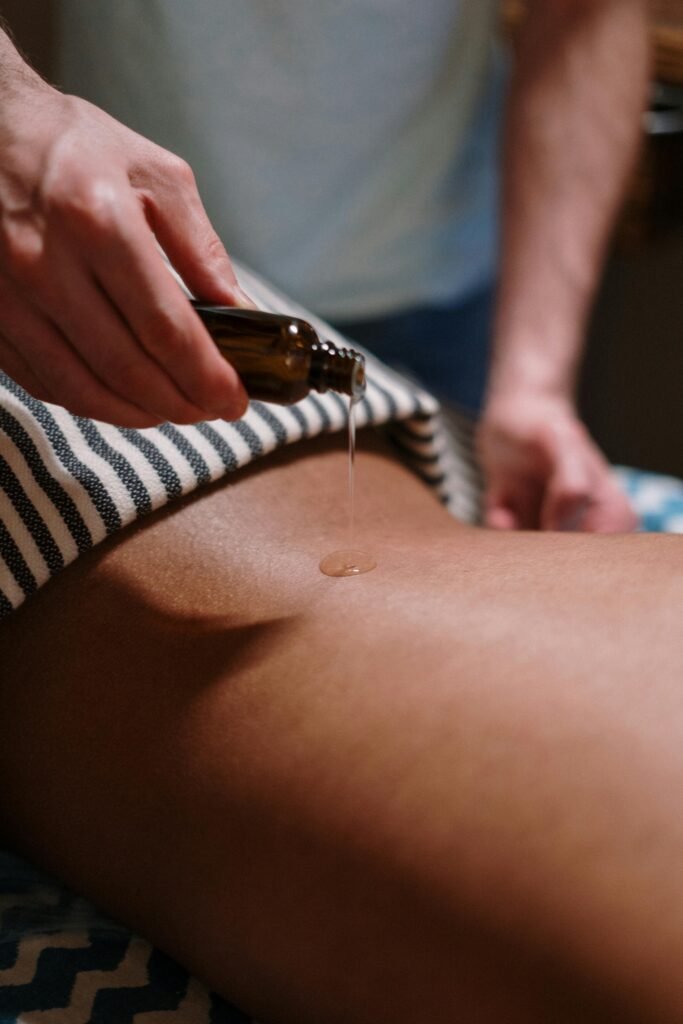
The Best Massage for Sciatica: Natural Relief for Nerve Pain
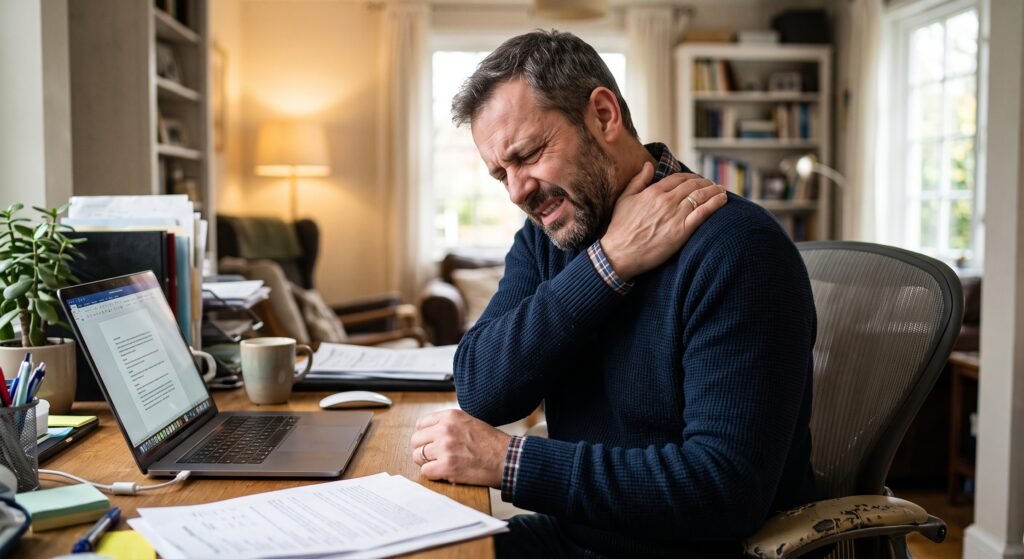
Massage for Neck and Shoulder Pain in Barcelona: Which Massage Should You Choose?
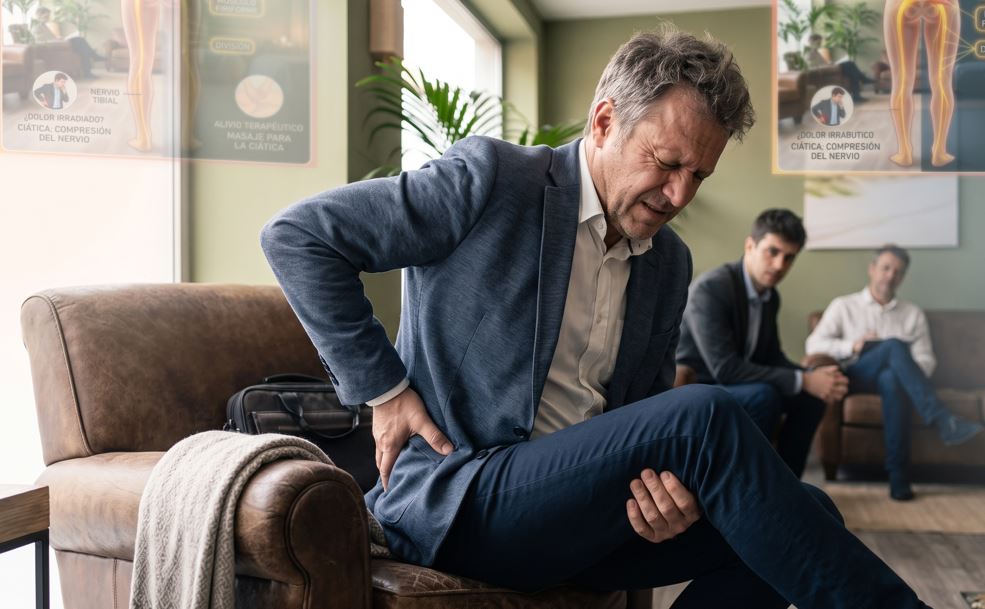
Can Massage Help Sciatica?
Massage Near Me in Barcelona: What to Expect From a Private Session

Does Massage Really Help Back Pain?