
Is It Normal to Feel Sore After a Massage?
A Physiotherapist Explains Why It Happens, How Long It Lasts and When You Should Pay Attention
“Feeling a little sore after a massage can be completely normal—especially after treatments that target deep muscle tension. In this guide, I’ll explain why it happens, what your body is experiencing and how to tell the difference between a healthy response and something that deserves closer attention.“
Is It Normal to Feel Sore After a Massage?
Yesterday, your body felt lighter.
You walked out of the massage room feeling relaxed, your muscles noticeably looser and your shoulders finally beginning to drop away from your ears.
Then the next morning arrived.
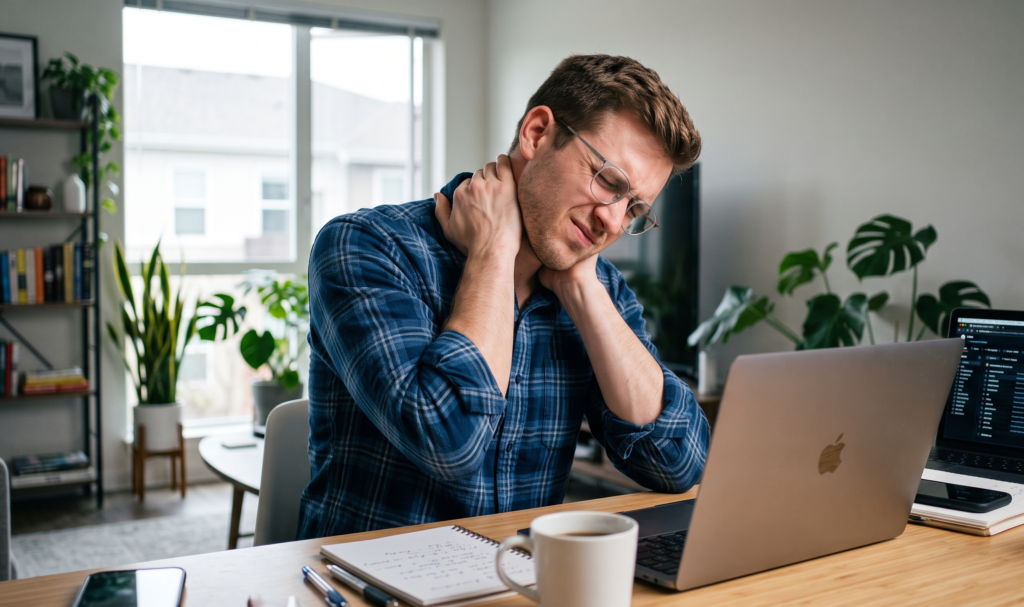
Your neck feels a little tender.
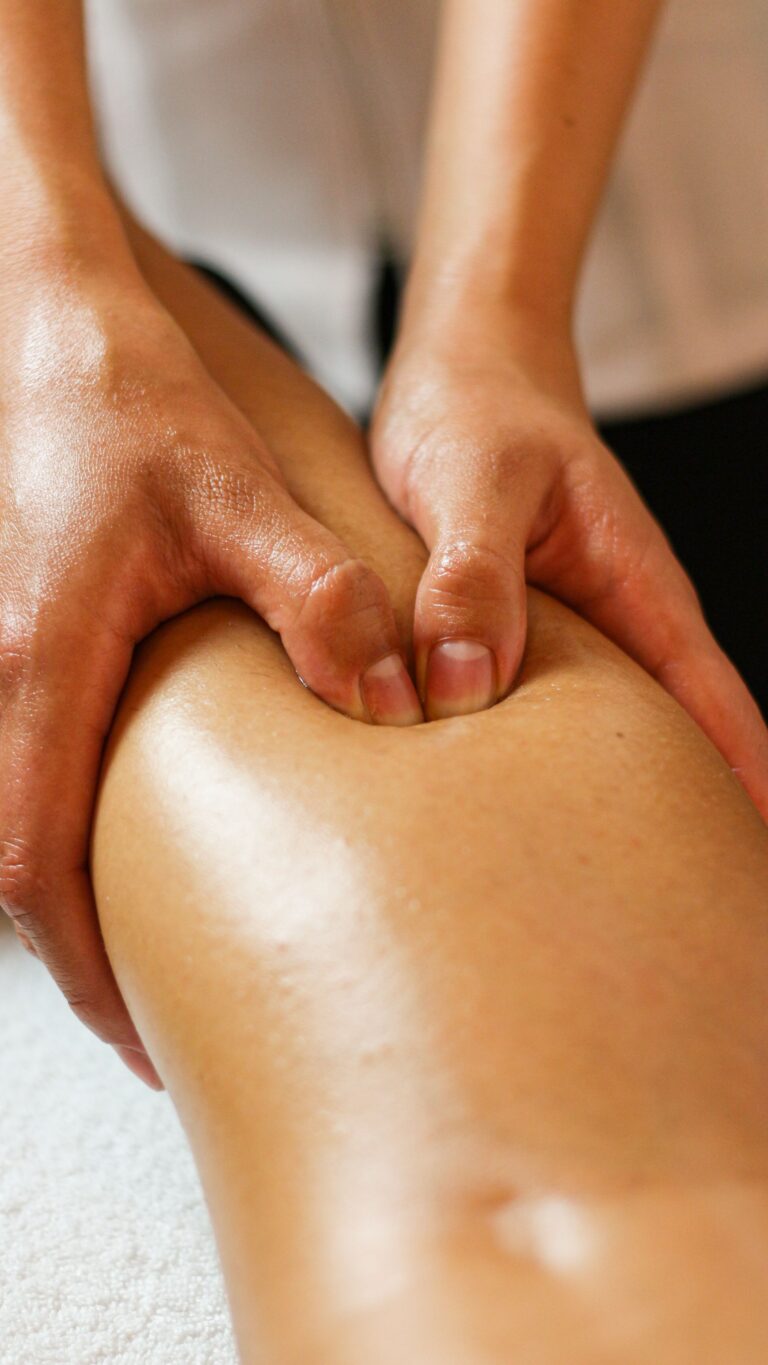
Your calves seem tighter than you expected.
Perhaps your lower back feels as though you’ve completed a gentle workout.
It’s at this moment that many people ask exactly the same question:
“Is this normal?”
The answer, in many cases, is yes.
Mild muscle soreness after certain types of massage is a completely natural response. In fact, depending on the treatment and the amount of muscular tension your body was holding beforehand, it can even be a sign that your tissues are adapting to the work that has been done.
That said, not every massage should leave you feeling sore.
And not every type of soreness means the same thing.
As a physiotherapy graduate and massage therapist, one of the questions I’m asked most often is whether discomfort after a massage is something to worry about.
The good news is that, in the vast majority of cases, it isn’t.
Understanding why soreness happens—and knowing when it’s perfectly normal and when it may not be—can help you approach massage with much more confidence.
In this guide, I’ll explain what’s happening inside your muscles after a massage, why some treatments leave you feeling tender while others don’t, how long recovery usually takes and the simple things you can do to help your body feel its best afterwards.
By the end, you’ll know exactly what to expect from your next massage—and why the goal isn’t to feel sore, but to help your body recover in the healthiest way possible.
In This Guide
- Why soreness after a massage can happen
- Does soreness mean the massage worked?
- Which types of massage are more likely to cause tenderness?
- How long should soreness last?
- Simple ways to recover more comfortably
- When soreness may not be normal
- Frequently asked questions
- When to seek professional advice
Why Can You Feel Sore After a Massage?
At first, it might seem surprising.
After all, massage is supposed to help your muscles feel better—not make them feel tender.
The key is understanding that massage isn’t simply a relaxing experience.
It also creates physical changes within your muscles and soft tissues.
When areas of long-standing tension are worked more deeply, the muscles, fascia and surrounding connective tissues are stimulated in ways they may not have experienced for weeks—or even months.
This doesn’t mean the muscles have been damaged.
Rather, they’ve been encouraged to release tension, improve mobility and restore healthier movement.
As your body adapts to those changes, it’s perfectly possible to experience mild tenderness for a short period afterwards.
Many people describe the sensation as being similar to the feeling after trying a new workout.
Not pain.
Not injury.
Just an awareness that the muscles have been working.
Does Soreness Mean the Massage Worked?
This is probably one of the biggest myths surrounding massage.
Many people believe that the more sore they feel afterwards, the more effective the treatment must have been.
In reality, that’s simply not true.
A successful massage isn’t measured by how uncomfortable you feel the next day.
It’s measured by whether the treatment achieved its intended goal.
Sometimes that goal is reducing muscle tension.
Sometimes it’s improving movement.
Sometimes it’s encouraging relaxation and calming the nervous system.
And sometimes it’s simply helping you recover after travel, exercise or a particularly stressful week.
Some excellent massages leave clients feeling completely refreshed with no soreness whatsoever.
Others—particularly when working on muscles that have been tight for a long time—may leave mild tenderness for a day or two.
Both responses can be perfectly normal.
The quality of a massage depends on choosing the right techniques for the individual, not on creating discomfort afterwards.
Which Types of Massage Are More Likely to Cause Soreness?
Not every massage affects the body in the same way.
Some techniques focus primarily on relaxation, while others are designed to work more specifically with muscular tension and restricted movement.
As a result, some treatments are naturally more likely to leave temporary tenderness than others.
Deep Tissue Massage
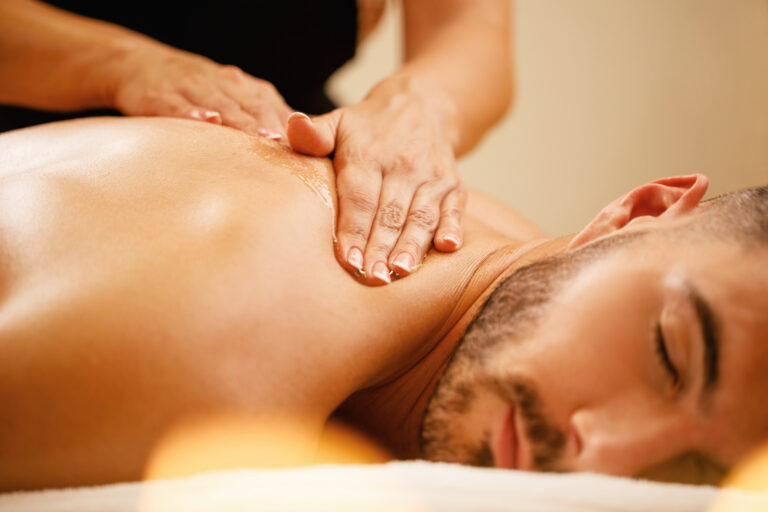
A Deep Tissue Massage Barcelona works on deeper layers of muscle and connective tissue.
When muscles have been tight for a long time, it’s not unusual to notice mild soreness for the following 24 to 48 hours.
That doesn’t mean the massage was too strong.
It simply reflects the amount of work those tissues have received.
Therapeutic Massage
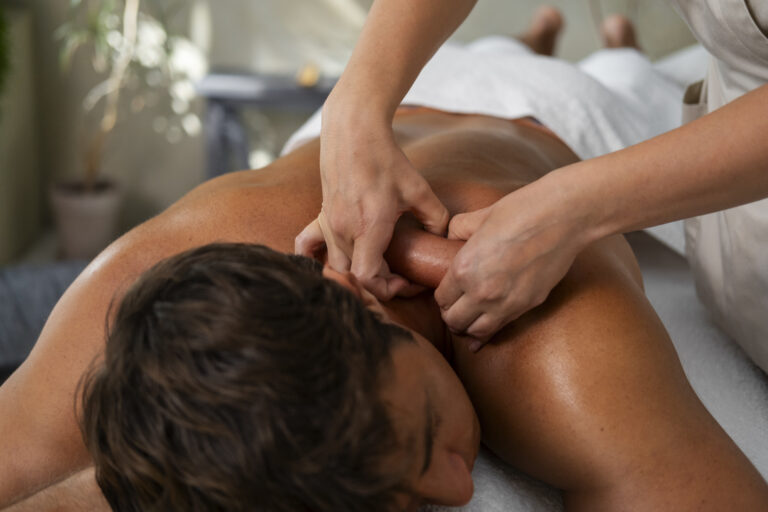
A Therapeutic Massage Barcelona is always adapted to your individual needs.
Some sessions are gentle and focused on mobility or pain relief, while others involve more specific work on areas of persistent tension.
Depending on the techniques used, you may experience slight tenderness afterwards—or none at all.
Both responses are completely acceptable.
Relaxing Massage
A Relaxing Massage Barcelona is generally much less likely to cause soreness.
Its primary goal is to reduce stress, encourage circulation and help the nervous system shift into a calmer state.
Most people leave feeling relaxed and comfortable without any noticeable tenderness the following day.
Why Some People Feel Sore and Others Don’t
One of the things I’ve noticed over the years is that no two bodies respond in exactly the same way.
Two people can receive very similar treatments and have completely different experiences afterwards.
Several factors influence how your body responds, including:
- How much muscular tension you had before the massage.
- Your daily posture and activity levels.
- Whether you’ve recently exercised.
- Your hydration.
- Your sleep quality.
- Your overall stress levels.
- How sensitive your nervous system is to physical stimulation.
This is one of the reasons I never expect every client to have the same recovery experience.
Massage should always be personalised—not only during the treatment itself, but also in terms of what we expect afterwards.
Your Nervous System Matters Too
When people think about massage, they usually picture muscles.
But your nervous system plays an equally important role.
Muscles don’t tighten on their own.
They respond constantly to signals from your brain and nervous system.
Long working hours.
Stress.
Poor sleep.
Anxiety.
Frequent travel.
All of these can increase muscle tension, even without physical exercise.
Massage doesn’t only influence muscles—it also helps encourage your nervous system to move away from a constant “fight or flight” state and towards a more relaxed “rest and recover” mode.
For some people, that shift can leave them feeling wonderfully relaxed.
For others, particularly if they’ve been carrying stress for a long time, the body may need a little time to adjust.
This is another reason why every recovery experience is unique.
How Long Should Soreness Last?
The reassuring news is that, when soreness occurs after a massage, it is usually temporary.
For most people, any tenderness begins within a few hours of the treatment or the following morning and gradually fades over the next 24 to 48 hours.
In some cases—particularly after a more intensive Deep Tissue Massage or if your muscles were especially tight beforehand—you may notice mild soreness for up to 72 hours.
Even then, the discomfort should continue to improve rather than become more intense.
Most people describe it as a feeling of tenderness rather than pain.
You may notice that certain muscles feel more aware when you move, stretch or climb stairs, but everyday activities should still be comfortable.
One of the easiest ways to tell whether your body is responding normally is to ask yourself a simple question:
“Am I feeling a little tender, or am I struggling to move because of pain?”
Those are two very different experiences.
Mild tenderness is often a normal part of recovery.
Pain that becomes progressively worse is not.
What Can You Do to Recover More Comfortably?
The good news is that your body already knows how to recover.
In most cases, it simply benefits from a little support during the following day or two.
Here are a few simple habits I often recommend to my clients.
Stay Hydrated
Water supports many of your body’s normal recovery processes.
Although drinking more water won’t magically eliminate soreness, staying well hydrated helps your muscles function optimally and supports overall wellbeing after your massage.
Keep Moving Gently
Many people assume they should avoid movement altogether.
In reality, gentle activity is often one of the best things you can do.
A relaxed walk.
Light stretching.
Easy mobility exercises.
These can all help your muscles feel more comfortable without placing unnecessary demands on your body.
Give Your Body Time to Recover
Recovery doesn’t always mean doing nothing.
It means allowing your body the opportunity to adapt.
If you’ve had a particularly intensive massage, you may prefer to avoid very demanding physical exercise for the rest of the day and instead focus on lighter activities.
Listening to your body is often the best guide.
Prioritise a Good Night’s Sleep
Sleep is when much of your body’s natural recovery takes place.
If possible, try to give yourself an opportunity to rest well after your massage.
Many clients tell me they sleep particularly deeply after a treatment, which is another completely normal response.
Pay Attention to How You Feel
Every massage is slightly different.
Every body is different too.
Rather than comparing yourself with someone else’s experience, notice how your own body responds over the next couple of days.
The more familiar you become with your body’s recovery patterns, the easier it becomes to recognise what feels normal for you.
When Is Soreness Not Normal?
While mild tenderness can be expected after certain types of massage, there are situations where discomfort deserves closer attention.
Fortunately, these situations are uncommon.
You should consider contacting your massage therapist or a healthcare professional if you experience:
- Severe pain that continues to increase rather than improve.
- Significant swelling.
- Extensive bruising that wasn’t expected.
- Numbness or persistent tingling.
- Difficulty moving a joint because of pain.
- Symptoms that last well beyond a few days without any improvement.
- Fever or other signs of illness after your treatment.
These responses are not typical after a properly performed massage and should always be assessed appropriately.
Fortunately, for the overwhelming majority of people, post-massage soreness is mild, temporary and settles naturally within a short period.
Should You Exercise After a Massage?
This is another question I hear regularly.
The answer depends on both the type of massage you’ve received and the intensity of your planned activity.
If your massage was focused on relaxation, light or moderate exercise later in the day is often perfectly reasonable if you feel comfortable.
However, after a more intensive session—particularly one targeting long-standing muscle tension—it may be worth giving your body a little extra recovery time before returning to high-intensity training.
Think of your massage as part of your recovery, not something your body needs to recover from.
By allowing your muscles a short period to adapt, you’re often helping them get the greatest benefit from the treatment.
The Goal Isn’t to Feel Sore—It’s to Feel Better
One misconception I’d love more people to leave behind is the idea that soreness is somehow the objective.
It isn’t.
The aim of a massage is never to leave you uncomfortable.
The aim is to help your muscles move more freely, reduce unnecessary tension and support your body’s natural recovery.
Sometimes that process includes a little temporary tenderness.
Sometimes it doesn’t.
Neither response tells you whether the massage was “good” or “bad.”
What matters is how your body feels once it has had time to recover.
Ultimately, a successful massage should leave you moving more comfortably, feeling more relaxed and better prepared for whatever your everyday life demands next.
Ready for Your Next Massage?
If you’ve ever wondered whether soreness after a massage is normal, I hope this guide has helped you feel more confident about what to expect.
Every body responds differently.
Some people leave a massage feeling completely refreshed.
Others experience mild tenderness for a day or two.
Both can be perfectly normal.
What matters most isn’t whether you feel sore afterwards—it’s whether your body gradually feels freer, more comfortable and better able to move.
That’s always my goal.
When you visit me, every treatment is tailored to your individual needs rather than following exactly the same routine for every client.
Whether you’re looking for a Therapeutic Massage in Barcelona, a Deep Tissue Massage, relief after travelling or a private massage in Eixample, I’ll adapt each session to what your body needs on that particular day.
If you’re unsure which treatment is right for you—or you have questions about recovery after a previous massage—feel free to send me a WhatsApp message.
I’ll be happy to help.
Frequently Asked Questions
Is it normal to feel sore after a massage?
Yes.
Mild soreness or tenderness can be a normal response, particularly after treatments that work on deeper muscle tension.
For most people, this improves naturally within 24 to 48 hours.
How long should soreness after a massage last?
Most post-massage soreness settles within one or two days.
After a more intensive treatment, mild tenderness may occasionally last up to 72 hours before gradually improving.
Does soreness mean the massage was effective?
Not necessarily.
Some highly effective massages cause no soreness at all.
The success of a massage depends on whether it achieves its intended goal—not on how uncomfortable you feel afterwards.
Should I drink more water after a massage?
Staying well hydrated is always beneficial for your overall wellbeing and supports your body’s normal recovery processes.
While drinking water won’t instantly remove soreness, it forms part of good post-massage care.
Is bruising after a massage normal?
Small bruises can occasionally occur after very specific techniques or in people who bruise easily.
However, significant bruising isn’t something that should routinely happen after a professional massage.
If you have concerns, it’s always worth discussing them with your therapist.
Should I exercise if I feel sore after a massage?
Light movement such as walking or gentle stretching is often helpful.
If you’ve had an intensive treatment, you may prefer to postpone very demanding exercise until your muscles feel more comfortable.
Can I book another massage if I’m still a little sore?
In many cases, yes.
However, this depends on the type of soreness you’re experiencing and the reason for your treatment.
If you’re unsure, ask me before booking your next session.
Continue Reading
If you found this guide helpful, you may also enjoy:
- How Often Should You Get a Massage? A Physiotherapist’s Guide
- Deep Tissue vs Therapeutic Massage: Which One Is Right for You?
- Why Your Neck Hurts After a Long Flight to Barcelona
- Why Your Lower Back Hurts After Flying to Barcelona
- Why Your Legs Feel Heavy After Exploring Barcelona
- Massage for Back Pain & Sciatica Barcelona
Together, these articles are designed to help you better understand your body, recover more comfortably and make informed decisions about your health and wellbeing.
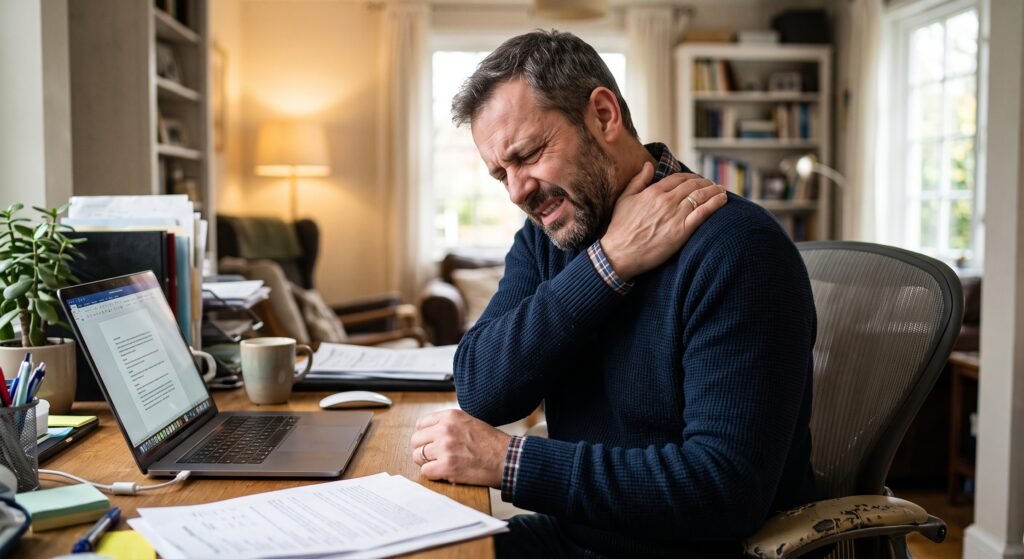
Massage for Neck and Shoulder Pain in Barcelona: Which Massage Should You Choose?
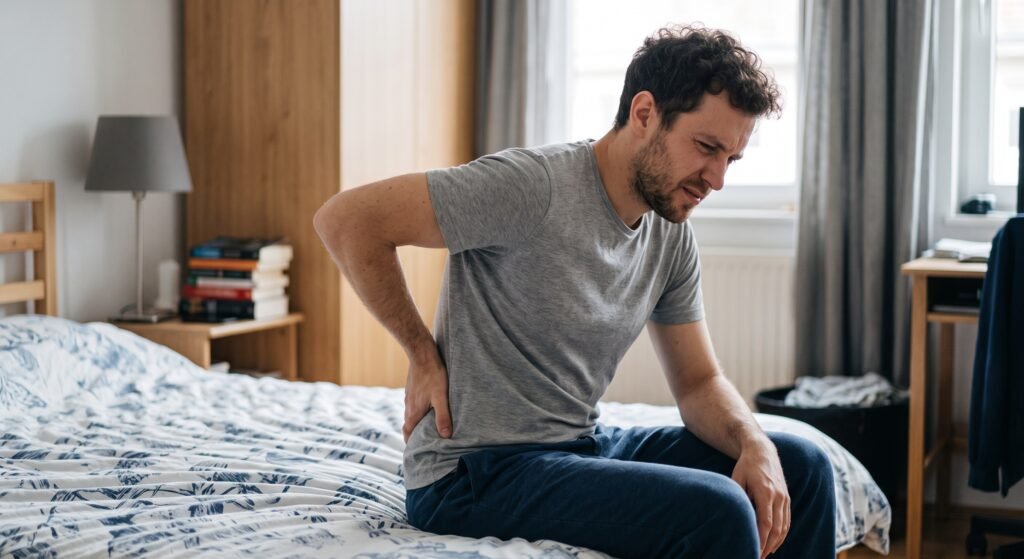
Massage for Back Pain in Barcelona: Which Treatment Should You Choose?

Why Does My Back Hurt More When I’m Stressed?
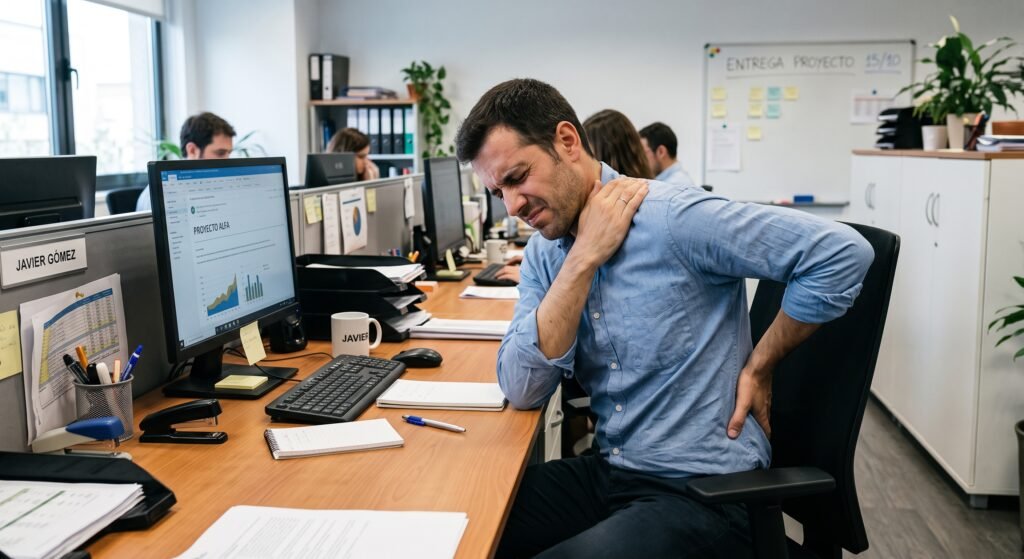
Why Do I Have Knots in My Back? And Can Massage Actually Get Rid of Them?
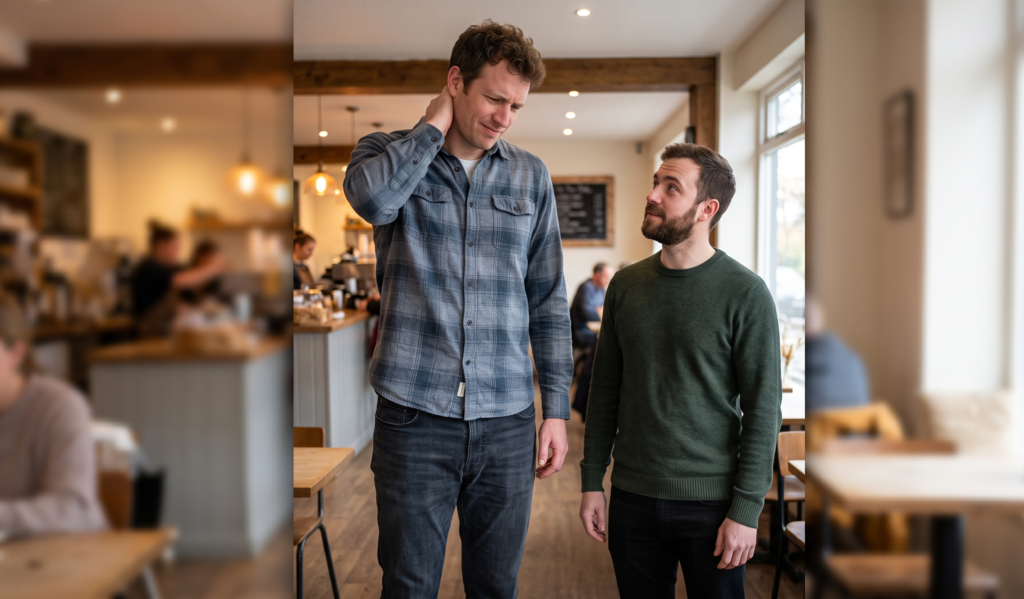
Do Tall People Have More Neck & Back Pain?